Choosing between American Express, Visa, and Mastercard can be a complex decision given the unique strengths and features each payment network offers. As three of the largest and most recognized payment brands worldwide, understanding how they operate, their technological advantages, and the practical benefits they deliver is crucial for consumers, businesses, and travelers. This article provides a detailed exploration of American Express, Visa, and Mastercard, offering insights into their networks, technologies, benefits, real-world examples, and use cases to help you navigate the payment card landscape confidently.
Overview of American Express, Visa, and Mastercard Networks
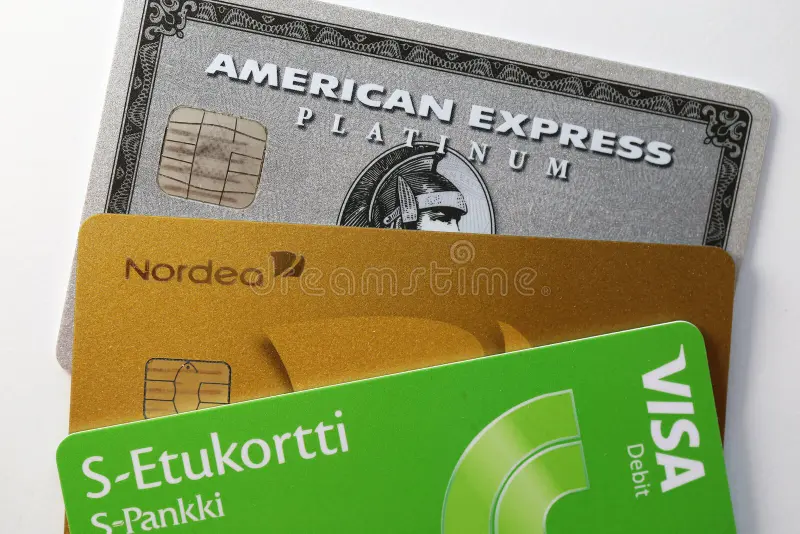
American Express (Amex), Visa, and Mastercard are payment networks facilitating electronic transactions between consumers, merchants, and banks. Despite serving similar functions, their business models and operational scopes differ considerably.
American Express operates as both a card issuer and a payment network. It issues cards directly to consumers and businesses, managing transaction processing and customer service. This integrated approach allows Amex to offer premium services and specialized rewards programs. However, its merchant acceptance footprint, while expanding, is smaller compared to Visa and Mastercard.
Visa and Mastercard function exclusively as payment networks without directly issuing cards. Instead, they partner with banks and financial institutions worldwide that issue cards under their networks. This model results in Visa and Mastercard cards being accepted in millions of locations globally, across a variety of merchant types and industries.
The extensive acceptance of Visa and Mastercard makes them highly versatile, serving a broad audience from everyday consumers to international travelers. American Express, meanwhile, appeals primarily to users seeking premium benefits and exceptional customer service.
Technological Innovations Driving American Express, Visa, and Mastercard
Technology is at the heart of the functionality and security of American Express, Visa, and Mastercard. All three networks utilize EMV chip technology, which enhances security by generating unique cryptographic data for each transaction, significantly reducing counterfeit fraud risks.
Contactless payment technology, often called tap-to-pay, is standard across these networks. This allows cardholders to complete transactions quickly by tapping their card or mobile device on a terminal, improving convenience and speed at the point of sale.
Advanced fraud detection systems powered by artificial intelligence and machine learning analyze transaction data in real time to identify and block suspicious activity. This proactive approach protects consumers and merchants alike by preventing fraudulent charges before they occur.
Tokenization technology plays a key role in securing digital payments by replacing sensitive card information with unique digital tokens. This technology underpins mobile wallet services such as Apple Pay, Google Pay, and Samsung Pay, which are fully compatible with cards issued on all three networks.
Benefits and Practical Advantages of American Express, Visa, and Mastercard Cards
Each of these networks provides a range of benefits that cater to different consumer needs. Visa and Mastercard offer unmatched global acceptance, allowing users to make payments almost anywhere in the world, making them ideal for frequent travelers and international shoppers.
American Express cards stand out for their premium rewards programs, exceptional customer service, and exclusive perks such as airport lounge access, travel insurance, and concierge services. These features make Amex cards particularly attractive to high-spending consumers and business professionals.
Both Visa and Mastercard offer a broad variety of card options, including credit, debit, and prepaid cards. This wide range enables access for diverse financial profiles, from basic spending and budgeting tools to high-limit credit cards with travel rewards.
All three networks incorporate zero liability policies that protect cardholders from unauthorized transactions, enhancing consumer confidence in using their cards both online and offline.
Real-World Examples of Cards on American Express, Visa, and Mastercard Networks
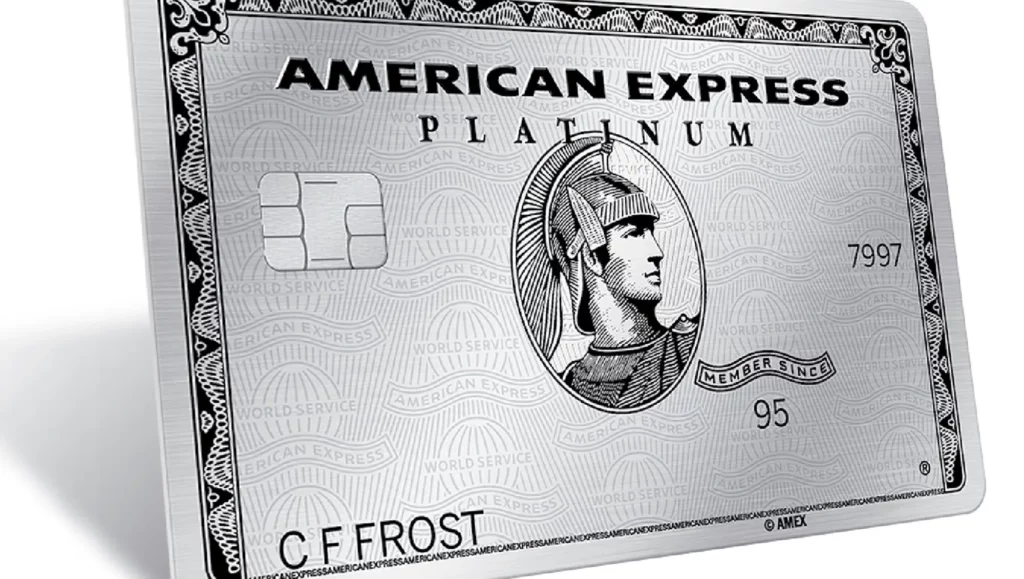
American Express Platinum Card
The Amex Platinum Card is a flagship product known for its comprehensive luxury travel benefits. It offers cardholders airport lounge access worldwide, extensive travel insurance coverage, elite status with various hotel and car rental programs, and a robust rewards system. This card is suited to frequent travelers who value premium experiences and personalized service.
Chase Sapphire Preferred Visa Card
This popular Visa credit card targets travelers and dining enthusiasts, offering generous points on travel and dining purchases. The card’s points can be transferred to multiple airline and hotel partners, giving users flexibility and value. Its broad acceptance and customer protections make it a practical choice for everyday spending and international travel.
Capital One Quicksilver Mastercard
A straightforward cashback card, the Capital One Quicksilver Mastercard appeals to consumers seeking simplicity and reliable rewards. It offers 1.5% cashback on all purchases with no category restrictions. Leveraging Mastercard’s global network, it provides convenient acceptance and secure payments worldwide.
American Express Blue Cash Everyday Card
This card focuses on everyday spending rewards, offering cashback on groceries, gas, and streaming subscriptions. With no annual fee, it provides a balance of value and rewards for cardholders who want to maximize routine expenditures while benefiting from Amex’s customer service and security.
Citi Double Cash Mastercard
The Citi Double Cash card offers a unique dual cashback system: 1% cashback on purchases and 1% cashback when payments are made. Its simplicity and competitive rewards appeal to consumers seeking consistent value without complex point systems. The Mastercard network ensures wide acceptance and secure transactions.
Practical Use Cases and Solutions Provided by American Express, Visa, and Mastercard
American Express, Visa, and Mastercard solve key challenges related to payment convenience, security, and rewards. For individuals, these cards enable cashless transactions, providing a safer and more efficient way to manage expenses than carrying cash.
For businesses, these networks offer solutions for expense management through business cards that track spending, provide employee controls, and improve cash flow. Additionally, prepaid card solutions support financial inclusion by enabling access to digital payments for unbanked populations.
Benefits of Technology Embedded in American Express, Visa, and Mastercard Cards
The advanced technology supporting these payment networks offers multiple benefits. EMV chip technology protects cardholders from fraud by using dynamic authentication, which prevents cloned cards from being used in-store.
Contactless payment technology provides faster checkout times, which enhances the consumer experience and reduces congestion in busy retail environments.
AI-driven fraud detection systems analyze patterns to detect anomalies and stop fraudulent transactions before they affect consumers. This real-time monitoring improves overall transaction security.
Frequently Asked Questions
What distinguishes American Express from Visa and Mastercard?
American Express is both a card issuer and payment network, known for premium cards with exclusive rewards and services. Visa and Mastercard operate as payment networks that partner with banks to issue cards and have broader merchant acceptance worldwide.
Are American Express cards accepted everywhere Visa and Mastercard are?
No, American Express is accepted at fewer merchants than Visa and Mastercard due to higher merchant fees, but its acceptance is growing. Visa and Mastercard enjoy nearly universal acceptance globally.
How do these networks ensure the security of transactions?
They use EMV chip technology, contactless payments, tokenization, and AI-driven fraud detection systems to secure transactions. Zero liability policies further protect cardholders from unauthorized charges.