In the rapidly evolving landscape of global tourism, “today’s travel trends” refers to the latest developments, preferences, and innovations influencing the way people explore the world right now. Unlike historical travel guides, today’s travel trends are dynamically shaped by real-time data, shifting traveler priorities, and advancements in technology. From AI-powered booking assistants to sustainable travel options, the modern traveler is navigating a more personalized and efficient world than ever before.
The global tourism industry is now more interconnected, with trends often spreading across continents within weeks thanks to social media and digital platforms. For travelers, staying informed about these changes means better planning, smoother experiences, and more memorable journeys.
The Impact of Technology on Today’s Travel

The integration of advanced technology into the travel sector has revolutionized how we plan, book, and experience trips. Cloud-based booking systems, mobile travel apps, and AI chatbots now provide instant itinerary suggestions, real-time updates, and personalized recommendations tailored to each traveler’s needs. This has not only made travel more accessible but has also elevated the overall quality of service.
Furthermore, technology is empowering travelers with tools that go beyond convenience. Augmented reality (AR) city guides, language translation apps, and AI-based travel health monitoring are just a few examples of innovations redefining what it means to explore new destinations in 2025.
Real-World Examples of Today’s Travel Trends
Google Travel’s AI-Powered Trip Planner
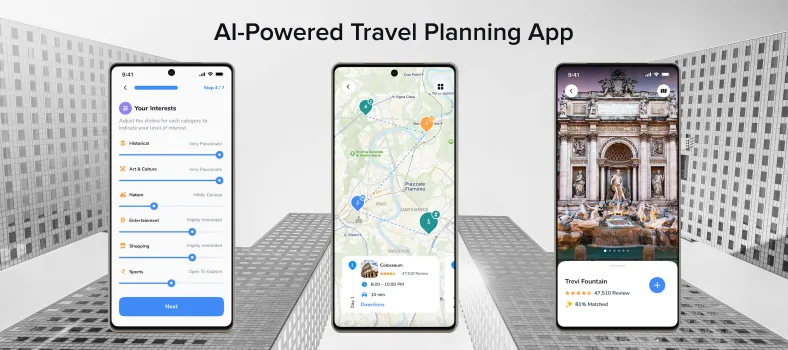
Google Travel has evolved from a simple trip organization tool into a fully AI-driven travel companion. By analyzing your Google account history, including past destinations, calendar entries, and search queries, it builds custom itineraries in seconds. If you booked a hotel in Paris and searched for “best pastries in Montmartre,” it will suggest a breakfast stop near your hotel before your scheduled museum visit.
In real-world usage, this has eliminated the stress of last-minute planning. Travelers arriving in a new city can instantly see not only must-see attractions but also small, hidden gems aligned with their interests. It’s especially useful for business travelers who need to fit leisure into tight schedules.
Apple Wallet and Smartwatch Boarding Pass Integration
Airports can be chaotic, especially during peak travel periods. The integration of boarding passes into Apple Wallet, accessible directly from a smartwatch, is transforming this experience. A quick flick of the wrist at security or the boarding gate eliminates the scramble to unlock phones or dig through printed papers.
Frequent flyers report that this feature has shaved off minutes at every airport checkpoint, which can be the difference between making or missing a connection. It also ties into airline loyalty apps, offering real-time gate change alerts directly on your wrist, ensuring travelers stay informed even when on the move.
Sustainable Smart Eco-Lodges in Costa Rica
Costa Rica’s growing network of eco-lodges has embraced smart energy management to appeal to sustainability-minded travelers. These lodges use solar panels, AI-controlled irrigation for gardens, and app-based guest controls to manage lighting and air conditioning efficiently.
Guests receive daily energy usage updates on their phones, encouraging mindful consumption. In addition, some properties partner with local conservation groups, allowing travelers to directly support wildlife preservation during their stay. This blend of sustainability and comfort has made eco-lodges a top choice for travelers who want to minimize their carbon footprint.
AR-Powered City Guides
Augmented Reality (AR) navigation apps, like those offered by Google Maps’ Live View, let travelers hold up their phones and see arrows and labels overlaid on real-world streets. In cities with complex layouts like Tokyo or Venice, this has reduced confusion and wandering time dramatically.
Tourists can also use AR to explore historical sites, pointing their phone at a ruin to see a reconstruction of what it looked like centuries ago. This technology merges education with exploration, creating richer and more memorable travel experiences.
Pocket AI Translation Devices
Handheld AI translators, like Pocketalk or Travis Touch, have become indispensable for travelers in regions where English is not widely spoken. These devices instantly convert spoken language into the local dialect and vice versa, allowing for smoother interactions with locals.
In markets, restaurants, or remote guesthouses, these tools break down communication barriers, making travel more immersive and less stressful. Travelers often report that using a translator encourages them to explore further off the beaten path.
Benefits of Embracing Today’s Travel Trends

One of the greatest benefits of following today’s travel trends is efficiency. Digital boarding passes, AI-powered trip planners, and mobile-based room keys eliminate unnecessary delays and stress. This creates smoother transitions between travel phases, allowing more time for actual exploration and enjoyment.
Another benefit is personalization. Modern travelers no longer have to settle for generic packages. From tailored restaurant recommendations based on your dietary needs to curated museum routes that match your interests, the travel industry is delivering bespoke experiences that were once reserved for luxury clientele.
Sustainability is also a core advantage. Many of today’s trends actively support eco-friendly practices, reducing the environmental cost of travel without compromising comfort or convenience.
Practical Use Cases of Today’s Travel Trends

Today, travel trends solve some of the most common problems travelers face. For instance, flight delays and cancellations are less disruptive thanks to apps that automatically rebook alternative routes and notify hotels of late arrivals. Travelers navigating foreign cities benefit from real-time translation devices and AR-enhanced navigation, making unfamiliar places feel more approachable.
Another use case is health and safety. Wearable devices now monitor air quality, UV exposure, and hydration levels, sending alerts directly to your smartphone. This allows travelers to adapt their plans on the go, ensuring a safer and healthier journey.
Frequently Asked Questions
1. How often do today’s travel trends change?
Travel trends can shift seasonally, but major changes are often driven by technology rollouts, global events, and evolving traveler expectations. Staying updated through trusted travel news outlets helps travelers remain informed.
2. Are today’s travel trends only relevant for frequent travelers?
No. Even occasional travelers benefit from adopting modern trends, as these often enhance safety, convenience, and overall trip satisfaction.
3. Do today’s travel trends make trips more expensive?
Not necessarily. While some innovations are part of premium services, many technologies, like mobile check-ins or AI-based itinerary planners, are free or included in standard travel services.