Travel auto, in its broadest sense, refers to journeys conducted via automobiles, ranging from personal cars to advanced autonomous vehicles. This term encompasses everything from classic road trips to futuristic self-driving experiences. It is not just about getting from point A to point B; it’s about the freedom, flexibility, and technological transformation of modern mobility.
Over the years, “travel auto” has evolved from early gasoline-powered roadsters to fully electric, AI-driven vehicles capable of cross-country navigation without driver input. The role of automobiles in travel has expanded beyond personal transport to include ride-sharing, autonomous shuttles, and even luxury mobile living spaces.
The Evolution of Automobile Travel
The journey of auto travel began in the late 19th and early 20th centuries when motorized vehicles replaced horse-drawn carriages. Initially, traveling by car was a novelty reserved for the wealthy. However, mass production techniques, most famously employed by Ford’s Model T, made automobile ownership and travel accessible to the general public.
In the 21st century, travel auto is increasingly defined by connectivity, sustainability, and automation. GPS navigation, advanced safety features, and in-car entertainment systems have transformed the travel experience. Electric vehicles (EVs) and autonomous driving technologies are shaping the future, reducing environmental impact while enhancing comfort and efficiency.
Technological Advancements Driving Modern Travel Auto
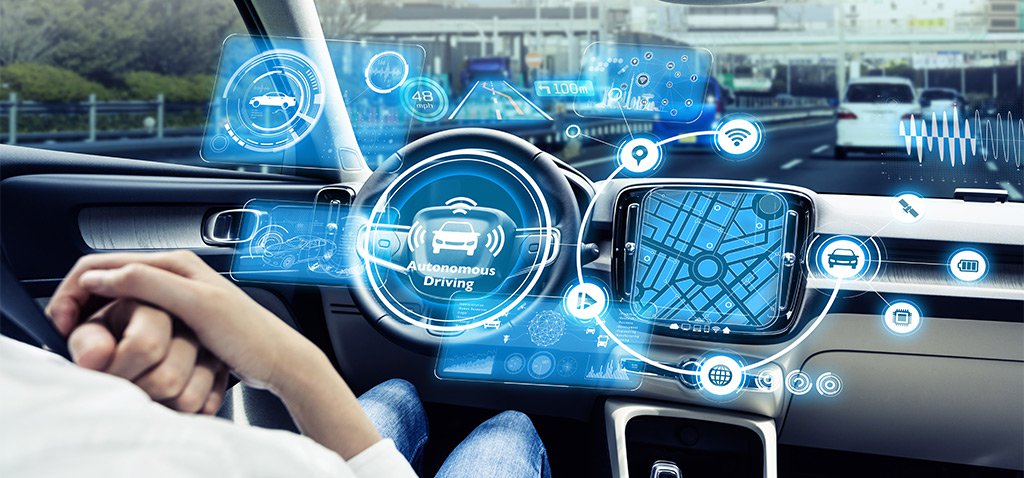
Technological innovations have redefined what it means to travel by automobile. Today’s vehicles integrate advanced driver-assistance systems (ADAS), voice-controlled infotainment, and energy-efficient propulsion systems. These advancements not only improve safety but also make long journeys more enjoyable and productive.
From adaptive cruise control that automatically adjusts speed to match traffic flow, to lane-keeping assist that ensures smooth highway driving, technology is minimizing driver fatigue and maximizing convenience. Even more futuristic are Level 5 autonomous concept cars that can operate entirely without human intervention, enabling passengers to use travel time for work, rest, or leisure.
Benefits of Using Technology in Travel Auto
The integration of technology into automobile travel brings multiple practical benefits:
- Enhanced Safety: Collision-avoidance systems, blind-spot monitoring, and emergency braking significantly reduce accident risks.
- Greater Comfort: Adjustable climate control, noise-cancellation cabins, and customizable seating enhance passenger well-being.
- Increased Efficiency: Real-time traffic updates and smart route planning save time and fuel.
- Eco-Friendliness: Electric and hybrid vehicles reduce emissions, making road travel more sustainable.
- Productivity on the Move: Autonomous driving opens opportunities for working, reading, or relaxing while en route.
These benefits collectively redefine road travel, turning what was once a tiring necessity into an enjoyable and often productive journey.
Real-World Examples and Use Cases of Travel Auto
Volkswagen Gen.Travel – Autonomous Travel Reimagined
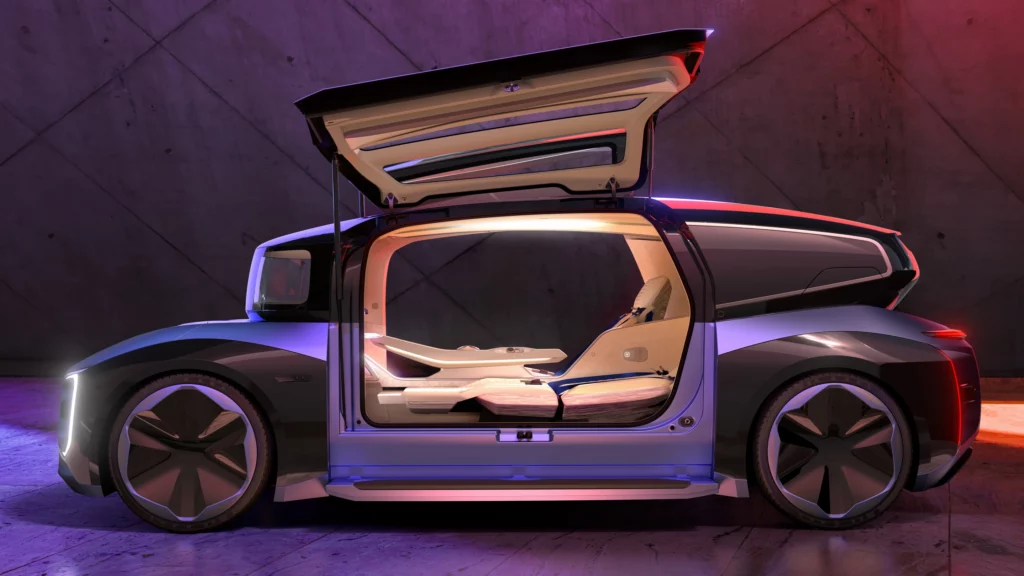
The Volkswagen Gen.Travel is a fully autonomous electric concept designed as a futuristic alternative to short-haul flights. Its modular interior adapts to different needs, transforming into a workspace, lounge, or sleeping area. Dynamic lighting mimics natural circadian rhythms, enhancing passenger comfort during long journeys.
This vehicle represents a shift toward mobility-as-a-service, where personal ownership might give way to on-demand, autonomous transport. For travelers, it means the convenience of door-to-door service without the stress of driving or navigating airports.
Tesla Model S – Integrating Self-Driving with Everyday Travel
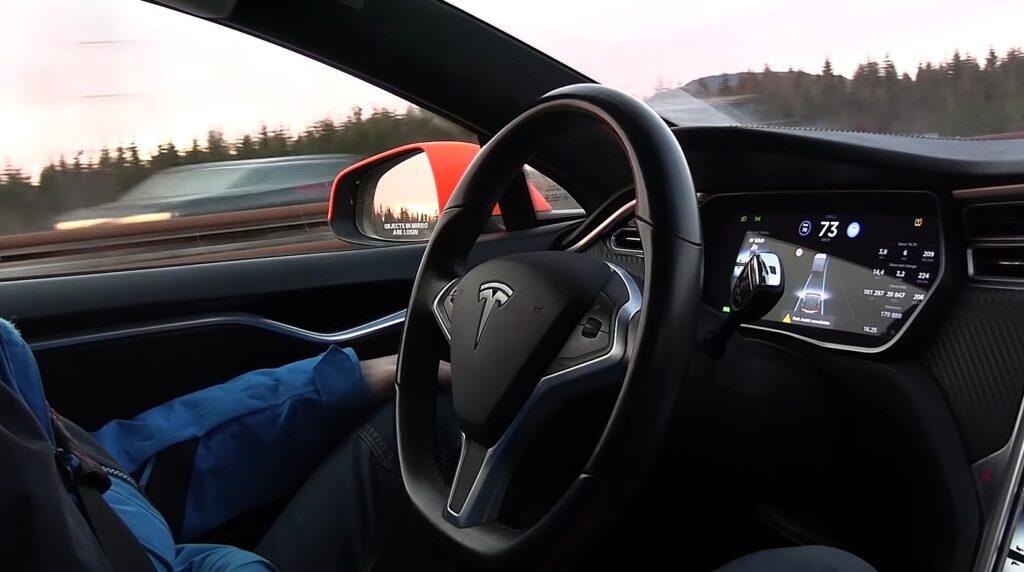
Tesla’s Model S, equipped with Full Self-Driving capability, showcases how autonomous features are entering mainstream travel. It can navigate highways, change lanes, and even park itself. Combined with long-range electric performance, it’s an example of how automation and sustainability can work together in modern travel auto.
For frequent travelers, the benefit is clear: reduced driving fatigue, safer long-distance travel, and the ability to use in-car time more productively.
Adaptive Cruise Control – Smoother Highway Journeys
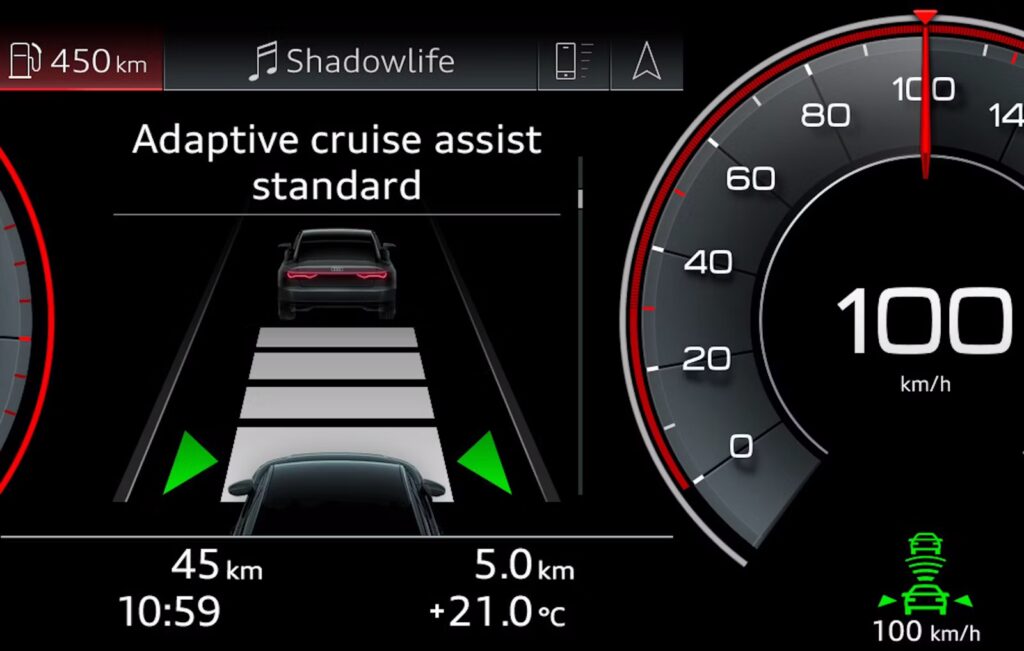
Adaptive cruise control (ACC) uses radar and sensors to maintain a safe following distance and adjust speed according to traffic. This technology is especially valuable for cross-country trips, where it minimizes driver stress and enhances safety over hours of highway travel.
While it may seem like a small feature, its impact on reducing mental and physical strain during long drives is significant, making it a cornerstone of modern travel auto convenience.
Auto Rickshaws – Localized Urban Travel Auto
In many Asian and African cities, “auto” refers to auto rickshaws three-wheeled vehicles perfect for short, congested routes. While low-tech compared to autonomous EVs, they are vital for localized mobility. Their small size allows access to narrow streets and crowded areas where larger vehicles can’t operate.
Electric Camper Vans – Road Trips with Sustainable Comfort
Electric camper vans combine the freedom of road travel with eco-friendly living. With solar panels, compact kitchens, and sleeping spaces, they allow extended journeys without reliance on traditional hotels. This form of travel appeals to adventurers who value both mobility and sustainability.
It solves problems like high accommodation costs, lack of access to remote destinations, and environmental concerns from fuel-powered RVs.
Practical Use Cases for Travel Auto
Travel auto is versatile, addressing a wide range of travel needs:
- Daily Commuting: For workers in suburban or rural areas, car travel offers flexibility that public transit can’t match.
- Long-Distance Journeys: Autonomous features and EV charging networks make extended road trips more comfortable and eco-friendly.
- Tourism and Sightseeing: Cars allow spontaneous detours, enabling travelers to explore hidden gems off the main routes.
- Urban Mobility: Small, agile vehicles like auto rickshaws solve last-mile connectivity challenges in congested cities.
- Business Travel: Self-driving and connected cars provide on-the-go workspaces for busy professionals.
Why Travel Auto Remains Indispensable
Despite the rise of air travel, high-speed rail, and other transport modes, auto travel retains a unique value proposition: autonomy. Drivers control their schedules, routes, and stops. In regions without extensive public transport, it’s often the only practical mobility option. As technology continues to evolve, travel auto is likely to become even more efficient, safe, and eco-friendly.
Frequently Asked Questions
What is the difference between travel auto and other transport methods?
Travel by auto specifically refers to journeys made using automobiles, offering greater flexibility and privacy compared to public transport like buses or trains.
How is technology changing automobile travel?
From autonomous driving to real-time navigation and EV integration, technology is making car travel safer, more comfortable, and more sustainable.
Is travel by auto environmentally friendly?
Traditionally, gasoline-powered cars contributed to pollution, but electric vehicles and hybrid technologies are making automobile travel significantly greener.