A smart tour refers to a travel experience enhanced by digital tools, AI-powered planning, real-time updates, and personalized recommendations. Unlike traditional tours that follow rigid itineraries, smart tours use technology to create dynamic, adaptive travel experiences tailored to a traveler’s preferences, location, and interests.
These solutions often integrate mobile apps, wearable devices, GPS navigation, voice assistance, and AI algorithms to help travelers make informed decisions on the go. By combining convenience, personalization, and interactivity, smart tours are redefining what it means to explore destinations.
How Technology Shapes the Smart Tour Experience
Modern travelers expect flexibility and instant information. Smart tour technologies deliver exactly that by:
- AI-driven itinerary planning that adjusts schedules based on traffic, weather, or personal preferences.
- Augmented Reality (AR) overlays that bring landmarks and historical sites to life.
- Real-time translation and language assistance for seamless communication.
- Connected booking systems that allow instant ticket purchases or re-bookings mid-journey.
These advancements eliminate the need for heavy guidebooks, rigid group tours, or guesswork in foreign cities.
Real-World Examples of Smart Tour Solutions
Google Travel AI
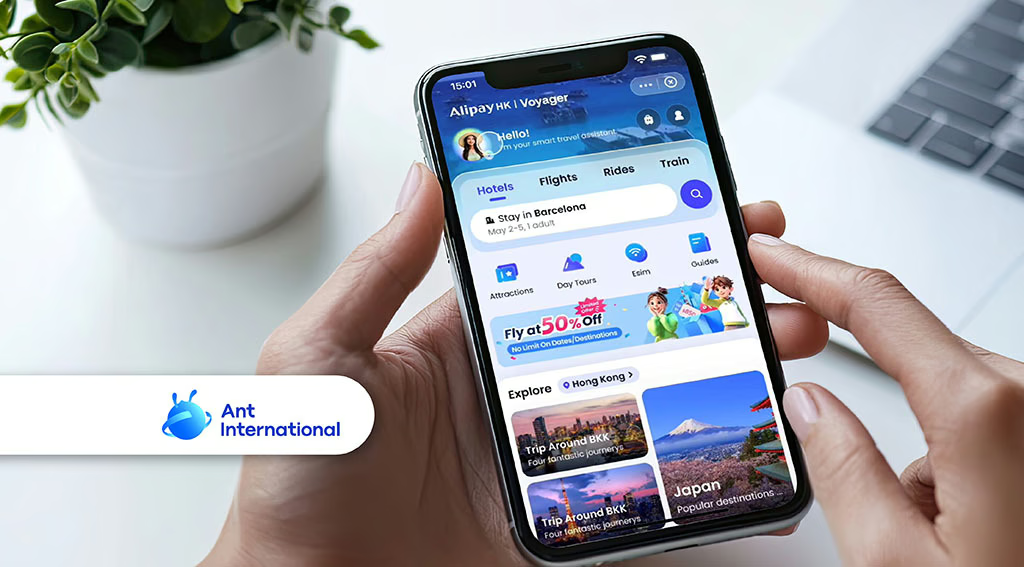
Google’s smart travel tools use AI to generate customized itineraries based on your location, saved places, and interests. The app can adapt plans in real time, suggest nearby attractions, and even integrate with Google Lens for visual translations of signs or menus.
Its predictive algorithms help avoid peak-hour crowds and suggest off-the-beaten-path locations, making trips smoother and more enjoyable.
VoiceMap AR City Guide
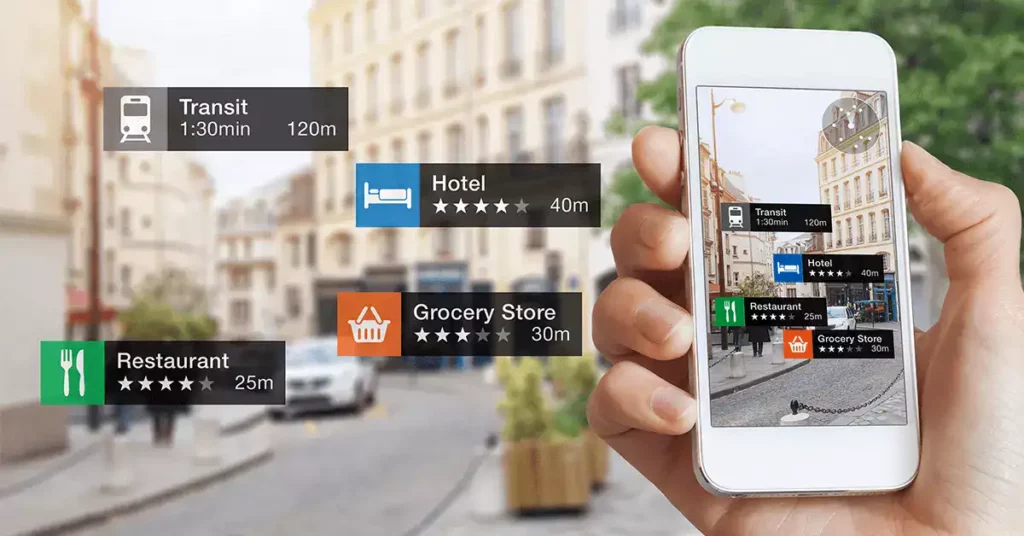
VoiceMap offers location-aware audio tours that play automatically as you walk through a city. Many tours now integrate AR, letting users point their phone camera at a monument and instantly view historical overlays, reconstructions, or fun facts.
This approach makes exploring cities interactive, allowing travelers to learn at their own pace without a physical guide.
Translation Earbuds for Global Travel

Smart translation devices like Timekettle earbuds allow real-time two-way conversation translation. This is particularly useful for independent travelers visiting non-English-speaking countries, making transactions, navigation, and social interactions effortless.
By bridging language barriers, these devices turn solo travel into a far less intimidating experience.
Citymapper + Transport Pass Integration

Citymapper’s app integrates public transport routes, ticket purchases, and live updates, making urban travel highly efficient. In some cities, it pairs with NFC-enabled passes, letting you tap into buses, trains, or ferries without standing in line for tickets.
Practical Benefits of Smart Tour Solutions
The adoption of smart tour technologies brings numerous advantages for both travelers and the tourism industry:
- Time Efficiency: Smart tools streamline navigation, bookings, and decision-making, allowing travelers to maximize their time at destinations.
- Cost Savings: AI recommendations help avoid overpriced tourist traps and find affordable local options.
- Accessibility: Real-time translation, voice guidance, and adaptive routes make travel more inclusive for seniors and people with disabilities.
- Environmental Impact: Smart route optimization reduces unnecessary transport usage, contributing to sustainable tourism.
- Personalization: Every traveler can create a unique experience based on personal interests rather than following a generic group plan.
Problems Smart Tours Help Solve
- Overcrowded Tourist Spots
AI-powered smart tours can detect real-time crowd density at attractions and suggest alternative visiting times or nearby hidden gems. This helps travelers avoid long waits and enhances overall satisfaction. - Language Barriers
Smart translation devices and apps remove communication obstacles, making it easier to interact with locals, order food, or negotiate transportation fares without confusion. - Unplanned Disruptions
Flight delays, weather changes, or attraction closures can ruin traditional tours. Smart tour systems instantly replan itineraries and provide updated booking options, saving both time and stress. - Navigational Challenges
In unfamiliar cities, smart navigation with offline maps, AR directions, and real-time public transport updates prevents travelers from getting lost or wasting time figuring out routes. - Accessibility Needs
For travelers with mobility or sensory impairments, smart tours can recommend accessible attractions, provide audio descriptions, and ensure barrier-free routes.
The Future of Smart Tour Technology
Smart tour technology is evolving at a rapid pace, driven by advancements in artificial intelligence, augmented reality, 5G connectivity, and wearable devices. The next generation of smart tours will go far beyond simply providing directions or automated audio guides they will create hyper-personalized, immersive, and predictive travel experiences that adapt in real time to each traveler’s needs.
One of the biggest changes will be the shift from reactive to proactive travel systems. Current tools respond to user input, but future smart tours will anticipate needs before travelers even realize them. For example, an AI system might detect that you are nearing a museum and automatically notify you about a temporary exhibit based on your past interests, while pre-purchasing your ticket to skip the line.
AI-Driven Predictive Planning
Future smart tours will use advanced machine learning to analyze historical crowd patterns, weather forecasts, event schedules, and traveler behavior data to create itineraries that dynamically adjust throughout the day. This predictive planning could also integrate with health and wellness data from wearables, ensuring travelers get adequate rest, hydration, and meal breaks while exploring.
Augmented and Mixed Reality Experiences
As AR glasses and mixed reality headsets become lighter and more affordable, travelers will no longer need to hold up smartphones to access information. Instead, historical reconstructions, cultural stories, and navigation prompts will appear directly in their field of view.
Real-Time Multilingual AI Guides
AI voice assistants will soon handle seamless multilingual communication without lag, allowing travelers to converse naturally with locals in any language. Combined with cultural context awareness, these systems will not just translate words, but also adjust expressions and etiquette for local norms, making interactions more authentic.
Sustainable and Carbon-Optimized Travel
Sustainability will be built into future smart tour systems, automatically calculating the lowest carbon routes, promoting eco-friendly transport, and suggesting green-certified accommodations. Some platforms may even offer carbon footprint scores for each itinerary, helping travelers make responsible choices.
Hyper-Personalized Group Tours
Instead of fixed itineraries, future group smart tours will allow every participant to have a customized experience within the same tour. For example, in a city walking tour, one traveler might focus on architecture, another on local food, while a third explores art galleries yet they will still regroup at key points, guided by synchronized smart devices.
Frequently Asked Questions
1. Are smart tours only for tech-savvy travelers?
No, smart tours are designed to be intuitive and user-friendly. Many systems require minimal setup and offer voice guidance, making them accessible for all age groups.
2. Can smart tour tools work offline?
Yes, many apps and devices allow offline mode, storing maps, translations, and itineraries for use in areas without internet access.
3. Are smart tours replacing traditional tour guides?
Not entirely. While technology offers independence, many travelers still value human insight and cultural connection. In many cases, smart tours complement rather than replace guided experiences.