In today’s fast-evolving digital economy, seamless payment processing and integration have become essential for businesses of all sizes. API Mastercard represents a pivotal advancement in the fintech world, offering developers and companies the tools needed to integrate Mastercard’s powerful payment infrastructure directly into their applications and platforms.
This article provides an in-depth exploration of API Mastercard, detailing its functionalities, benefits, and the real-world scenarios where it has made a significant impact.
Understanding API Mastercard: What Is It and How Does It Work?
API Mastercard is a set of application programming interfaces (APIs) provided by Mastercard that enable developers to access various Mastercard payment services and functionalities. These APIs allow businesses to create custom payment experiences, integrate secure transactions, and leverage Mastercard’s global network with minimal friction.
The APIs cover a broad spectrum of capabilities, including transaction processing, fraud detection, card issuance, loyalty programs, and more. By using the API Mastercard, developers can embed payment solutions seamlessly into websites, mobile apps, and backend systems, facilitating faster and more secure payment workflows.
Unlike traditional payment integrations, which may require cumbersome setups and rigid platforms, Mastercard’s APIs offer flexibility and modularity. This empowers businesses to tailor payment services to their specific needs, thereby enhancing user experience and operational efficiency.
Key Features and Capabilities of the API Mastercard

API Mastercard provides a comprehensive suite of tools designed to meet the diverse needs of modern businesses:
- Payment Processing: Enables direct processing of Mastercard transactions, including authorization, capture, and settlement.
- Card Issuance API: Supports virtual and physical card creation, management, and control tailored for fintech platforms.
- Fraud and Risk Management: Incorporates real-time fraud detection capabilities to enhance security.
- Loyalty and Rewards Integration: Facilitates the integration of loyalty programs that incentivize customer engagement.
- Transaction Insights and Analytics: Offers detailed data access to monitor transaction behavior and optimize business strategies.
These features make Mastercard API a powerful backbone for fintech startups, e-commerce platforms, and enterprise payment solutions. By leveraging these APIs, businesses can significantly reduce time-to-market for payment features and improve customer satisfaction.
Practical Benefits of Using API Mastercard Technology
Integrating Mastercard’s API technology into business applications provides multiple practical advantages. First and foremost, it allows companies to deliver faster payment processing, reducing transaction latency that can negatively impact user experience. The API’s direct access to Mastercard’s global payment network ensures broad acceptance and reliability.
Security is another vital benefit. Mastercard’s API includes built-in fraud detection and risk management tools, allowing businesses to proactively combat fraudulent activities without needing to develop these systems from scratch. This enhances trust and protects both merchants and customers.
Furthermore, API Mastercard supports scalability. Whether a small startup or a multinational corporation, businesses can scale payment operations up or down with ease, thanks to the API’s flexible architecture. This adaptability supports business growth and evolving payment demands.
Lastly, developers benefit from extensive documentation, sandbox environments, and developer support, which streamline the integration process and reduce the learning curve.
Real-World Use Cases of API Mastercard
fintech app using Mastercard API
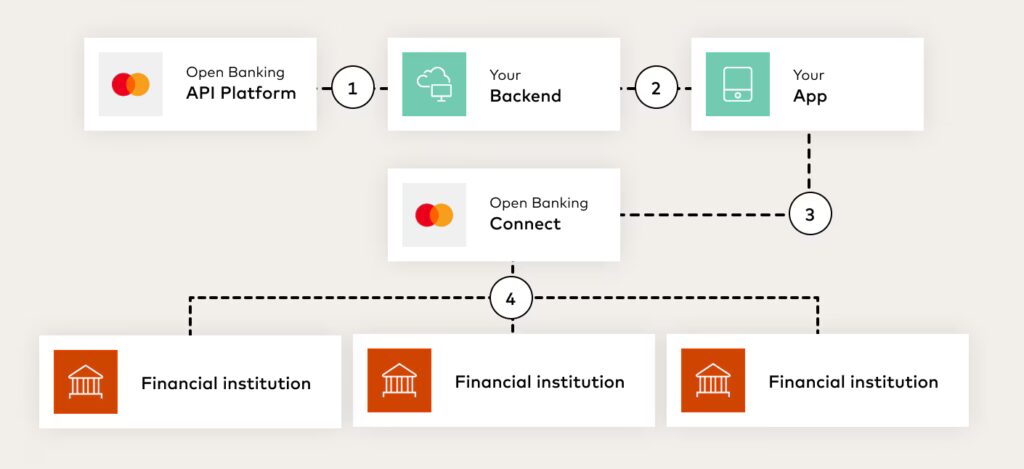
One prominent example is Marqeta, a fintech company that uses Mastercard’s card issuance API to offer customizable virtual and physical cards. By integrating Mastercard API, Marqeta enables clients to launch payment cards tailored to their unique requirements, supporting business models such as on-demand payments and expense management.
Marqeta’s implementation highlights the API’s ability to facilitate complex card management, including real-time controls, spend limits, and detailed transaction tracking, all embedded within their platform’s user interface.
Mobile wallet app with Mastercard API.
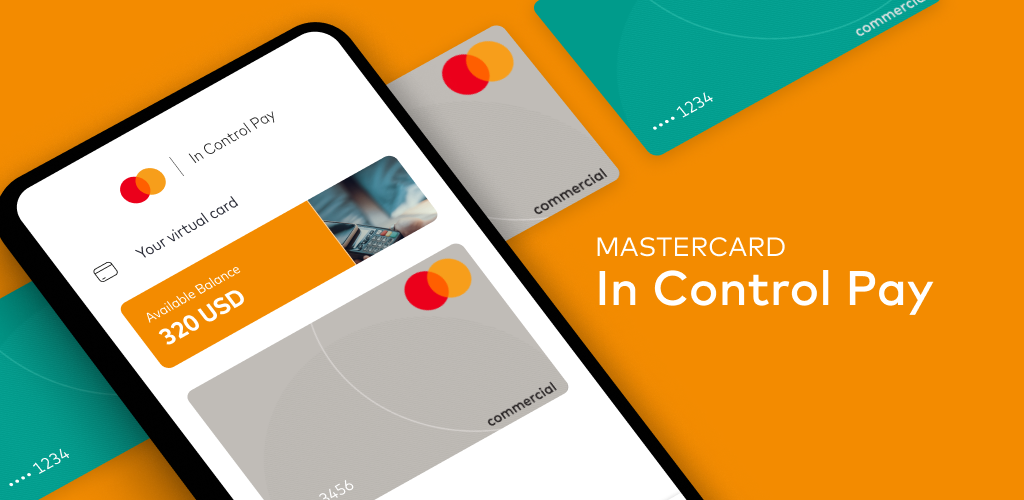
Another key use case is Revolut, a digital banking platform that utilizes Mastercard APIs to power its payment infrastructure. Revolut integrates Mastercard’s payment processing APIs to handle seamless global transactions for its millions of users. This integration allows Revolut to support multiple currencies, instant payments, and security measures through Mastercard’s network.
Revolut’s experience underscores how API Mastercard enables digital banks and wallets to offer a comprehensive, secure, and scalable payment solution, critical for retaining competitive advantage in the fintech sector.
loyalty program powered by Mastercard API
Loyalty solutions by Mastercard API are also significant in the retail and hospitality sectors. For example, Payback, a loyalty platform, integrates Mastercard’s API to track customer transactions and reward points accumulation automatically. This API-driven system ensures real-time updates to loyalty balances and personalized rewards, increasing customer engagement and repeat business.
This example shows how Mastercard API extends beyond simple payment processing to enhance customer retention and marketing effectiveness.
Why API Mastercard Is Useful in Real-Life Situations
solves a wide range of challenges businesses face in the digital payments landscape. One key problem is the complexity of integrating secure and reliable payment processing across multiple platforms and regions. By using Mastercard’s APIs, companies can bypass the traditional barriers of compliance, security, and infrastructure costs.
For startups and fintech innovators, Mastercard APIs provide a tested and robust platform that accelerates product development cycles. This speed to market is crucial when competing against larger incumbents.
In addition, the API’s fraud management tools help businesses reduce losses from fraudulent transactions and build consumer trust. This is particularly important in industries like e-commerce and online services, where fraud rates are higher.
Furthermore, API Mastercard supports customization, allowing businesses to create tailored payment experiences, loyalty programs, or card products that align perfectly with their brand and customer needs. This flexibility enables innovation and differentiation in crowded markets.
Benefits of API Mastercard for Businesses and Developers
Businesses that leverage Mastercard’s API technology enjoy increased operational efficiency through automation and streamlined payment flows. Manual processes related to payment reconciliation, card management, and fraud review are minimized, freeing resources for core business activities.
From a developer’s perspective, the API-driven model reduces the complexity of integrating payment functionality. The modular APIs allow developers to choose and implement only the features necessary for their application, avoiding overcomplication and unnecessary overhead.
The use of Mastercard’s global infrastructure also translates into broader acceptance and better currency conversion options for businesses operating internationally. This reduces friction for cross-border transactions and expands market reach.
Moreover, Mastercard’s focus on security means businesses benefit from compliance with global payment standards such as PCI DSS, reducing regulatory burdens and enhancing data protection.
Frequently Asked Questions
What types of Mastercard services are available through the API?
Mastercard API provides access to services including payment processing, card issuance, fraud detection, loyalty program integration, and transaction data analytics. These APIs enable businesses to build customized, secure, and scalable payment solutions.
How does API Mastercard improve security in payment processing?
The API incorporates real-time fraud detection and risk management tools, helping businesses identify and prevent suspicious transactions quickly. Mastercard’s robust security infrastructure also ensures compliance with global payment standards, reducing vulnerability to data breaches.
Can small businesses benefit from using Mastercard APIs?
Absolutely. Mastercard API is designed to be scalable and flexible, making it suitable for startups, SMEs, and large enterprises alike. Small businesses can leverage the API to integrate secure payment processing and card management without large upfront investments in infrastructure.