airBaltic, officially known as AS Air Baltic Corporation, is the national airline of Latvia and one of the most significant carriers in the Baltic region. Headquartered in Riga, it serves as a crucial link between Northern Europe, Central Europe, and Asia. Founded in 1995, airBaltic has grown from a regional operator into a globally recognized airline that blends efficiency, innovation, and comfort.
The airline’s mission extends beyond transporting passengers; it plays a central role in connecting the Baltic states to major global hubs. Known for its punctuality, modern fleet, and competitive fares, airBaltic has repeatedly been ranked among the most reliable and innovative airlines in Europe.
History and Evolution of airBaltic
Founded as a joint venture between the Latvian government and Scandinavian Airlines (SAS), airBaltic began with just two aircraft. Over the years, strategic expansions, partnerships, and fleet upgrades transformed it into a modern airline with global reach. By the late 2000s, airBaltic introduced low-cost elements while retaining high service quality, making it attractive to both business and leisure travelers.
In recent years, the airline has positioned itself as the primary gateway to the Baltic region. This transformation included fleet modernization, particularly its exclusive use of the Airbus A220-300, and expanding routes to over 70 destinations. airBaltic’s adaptability has helped it remain competitive even in challenging market conditions.
Fleet and Technological Advancements
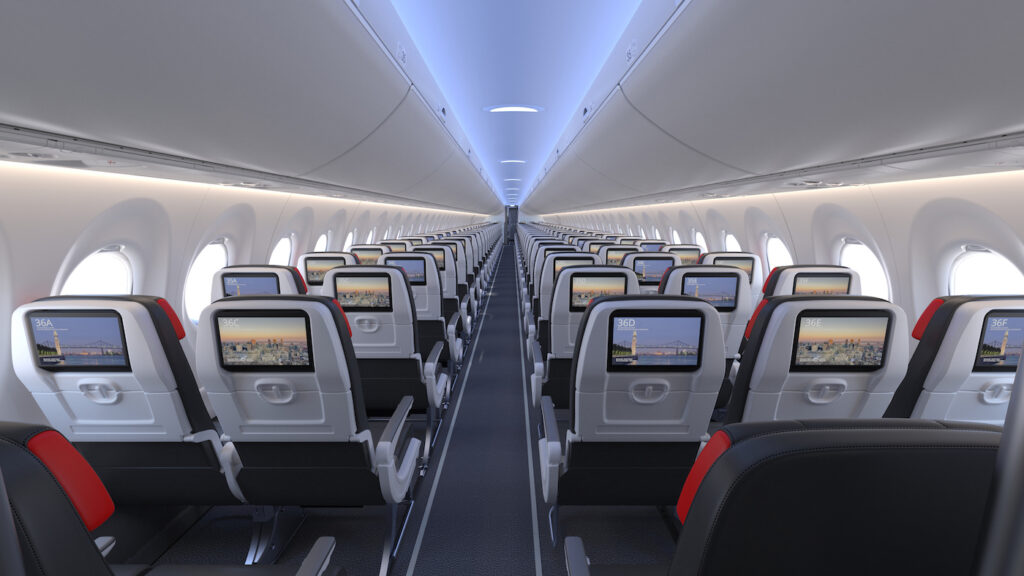
One of airBaltic’s most notable achievements is becoming the first airline in the world to operate an all-Airbus A220-300 fleet. This decision was not just about upgrading aircraft; it was a strategic move to improve fuel efficiency, reduce emissions, and enhance passenger comfort. The A220 offers larger windows, quieter engines, and improved cabin air circulation.
Technological innovation at airBaltic extends beyond its fleet. The airline invests heavily in digital solutions, including mobile check-in, biometric boarding tests, and AI-driven maintenance systems. These upgrades streamline operations, improve reliability, and create a smoother travel experience.
Major Destinations and Network Expansion
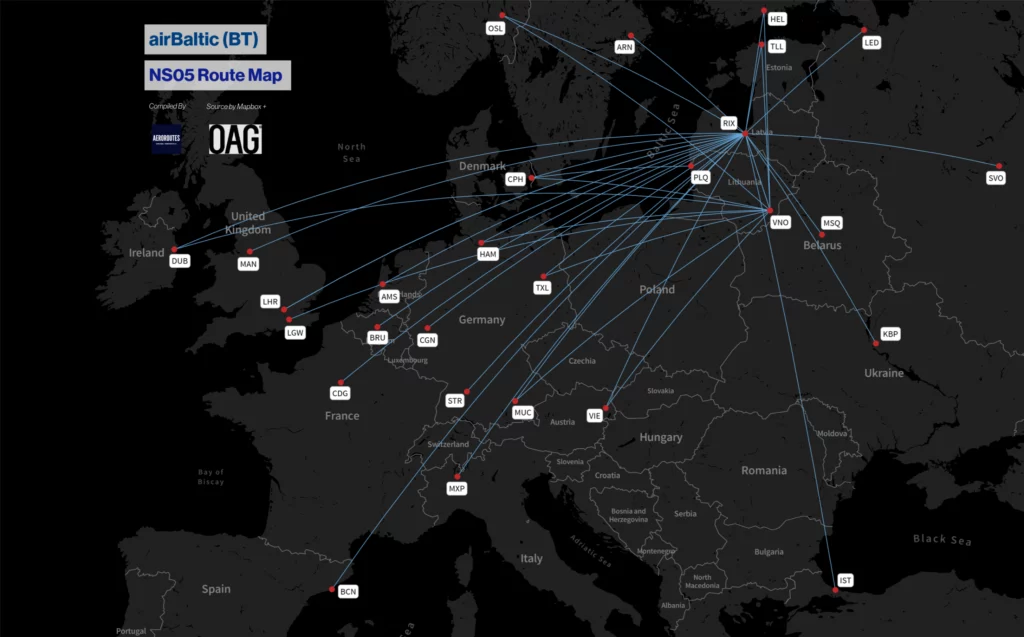
airBaltic operates from its primary hub at Riga International Airport, with additional bases in Tallinn and Vilnius. Its route network covers key European cities such as London, Paris, Berlin, and Rome, as well as seasonal routes to leisure destinations in the Mediterranean.
The airline also connects to long-haul destinations through codeshare agreements with major carriers like Lufthansa, Emirates, and Turkish Airlines. This network strategy allows travelers to easily connect from the Baltic region to Asia, the Middle East, and North America.
Real-World Examples and Use Cases
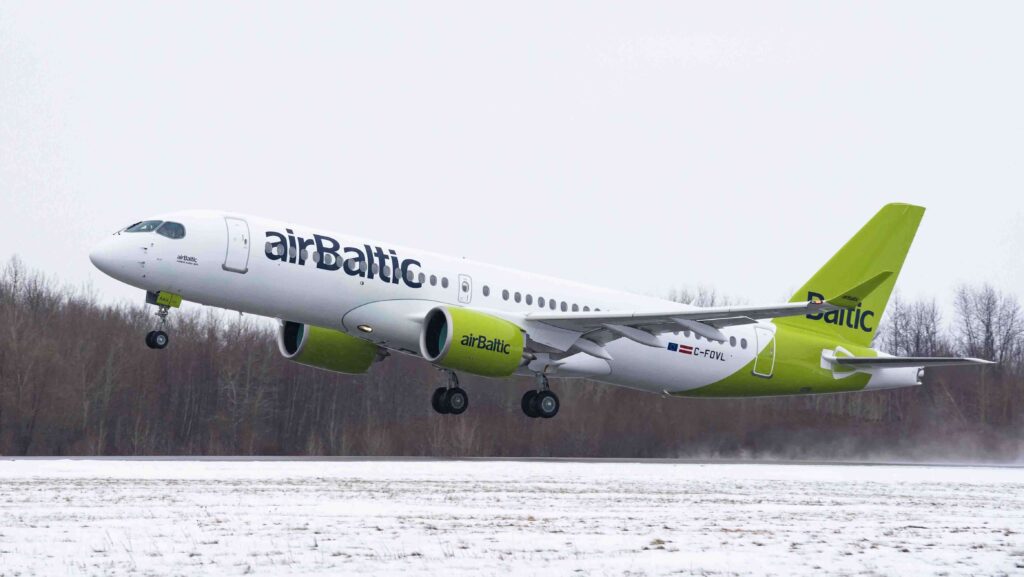
airBaltic Airbus A220-300
Modernizing the Fleet with Airbus A220-300
Baltic Airlines, operating primarily under the brand airBaltic, became one of the first airlines in the world to adopt the Airbus A220-300 as the backbone of its fleet. This aircraft model is recognized for its fuel efficiency, reduced noise levels, and improved passenger comfort. By integrating the A220-300, Baltic Airlines has been able to lower operational costs while offering a better travel experience, especially on medium-haul European routes.
Commitment to Sustainable Aviation
Baltic Airlines has launched several sustainability programs aimed at reducing its carbon footprint. One of the most impactful initiatives is its commitment to operating an all-Airbus A220 fleet, which produces significantly lower CO₂ emissions compared to older aircraft. Additionally, the airline has introduced lighter catering equipment, fuel-efficient flight planning systems, and waste reduction policies on board.
These changes not only align with EU sustainability goals but also enhance the airline’s brand image as a forward-thinking, eco-conscious carrier. For corporate clients and environmentally aware passengers, this makes Baltic Airlines an attractive option for both business and leisure travel.
Digital Transformation for Passenger Experience
Baltic Airlines has invested heavily in digital tools to streamline the passenger journey. This includes mobile app-based check-in, real-time flight updates, and AI-powered customer service chatbots. By integrating these technologies, the airline reduces wait times, minimizes paperwork, and offers travelers a smoother pre-flight and post-flight experience.
Strategic Codeshare Partnerships
Baltic Airlines has established codeshare agreements with multiple global carriers, including Lufthansa, Turkish Airlines, and Etihad Airways. These partnerships allow passengers to connect to long-haul destinations seamlessly through shared flight schedules and ticketing systems.
Expanding into Cargo and Logistics
Beyond passenger flights, Baltic Airlines operates a growing cargo division. This service supports businesses in transporting goods quickly across Europe and beyond, using both dedicated cargo space on passenger flights and specialized freight services.
During the COVID-19 pandemic, this cargo capacity proved essential for delivering medical supplies, vaccines, and urgent shipments. This diversification of services ensures the airline maintains revenue streams even during periods of reduced passenger demand, showcasing operational resilience.
Benefits of Technological Innovation in airBaltic
airBaltic’s embrace of modern aviation technology delivers practical benefits:
- Fuel Efficiency: Advanced aircraft engines significantly lower operating costs and reduce environmental impact.
- Passenger Comfort: Wider seats, larger windows, and reduced noise improve the onboard experience.
- Operational Reliability: AI-based predictive maintenance prevents costly delays and improves fleet uptime.
- Environmental Sustainability: Reduced emissions and eco-friendly practices align with global green travel trends.
These innovations not only improve airBaltic’s brand reputation but also offer passengers a safer, more comfortable, and eco-conscious travel choice.
Use Cases in Real Life
airBaltic’s operational model solves several real-world travel problems:
- Connecting Remote Regions: For travelers in the Baltic states, airBaltic offers a direct gateway to major European and intercontinental hubs.
- Efficient Business Travel: Frequent connections to major financial centers make it a preferred choice for corporate travelers.
- Tourism Boost: By linking the Baltic capitals to popular holiday spots, airBaltic supports regional tourism growth.
- Eco-Conscious Travel: Passengers seeking environmentally responsible flights find airBaltic’s policies attractive.
FAQ
Q1: What makes airBaltic different from other European airlines?
A1: airBaltic stands out for its exclusive Airbus A220 fleet, strong punctuality record, and strategic hub in Riga, which offers efficient connections between East and West.
Q2: Does airBaltic operate long-haul flights?
A2: While airBaltic does not operate long-haul flights itself, its codeshare agreements allow passengers to connect to destinations in Asia, North America, and the Middle East.
Q3: Is airBaltic environmentally friendly?
A3: Yes. Its modern fleet, fuel-efficient engines, and green initiatives significantly reduce emissions, making it one of the more eco-conscious airlines in Europe.